
Use water as part of the circuit and find out what lets electricity pass.
पानी को सर्किट का हिस्सा बनाओ और जानो बिजली किससे गुज़रती है।
🎯 What are we building?
We leave a gap in the circuit and place two wire ends into a cup of water to see whether the LED lights. Then we test other things, like plain water and water with a pinch of salt, and compare.
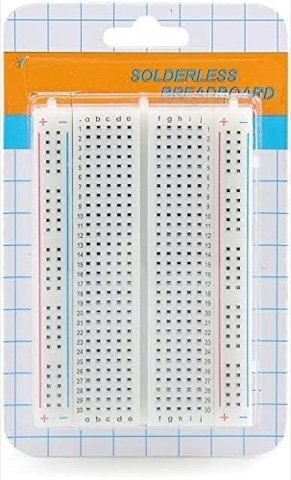 Breadboard
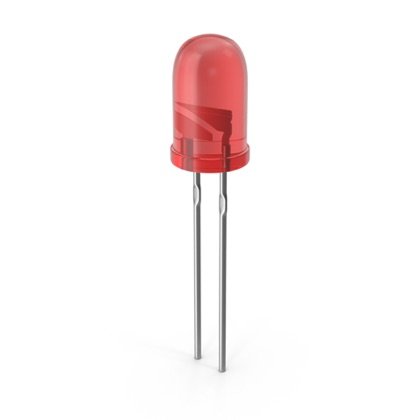 LED
LED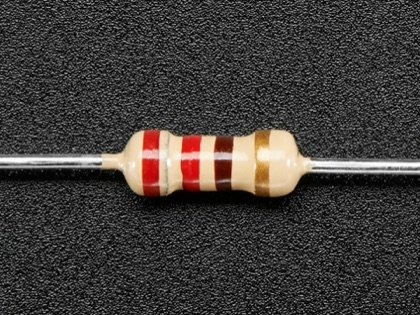 Resistor
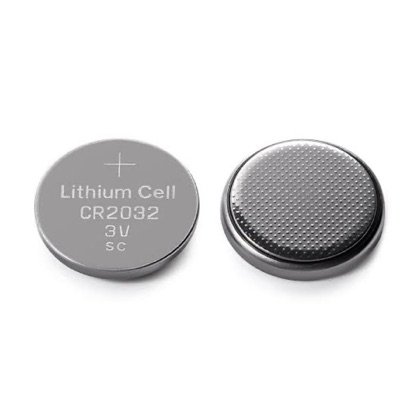 Coin Cell
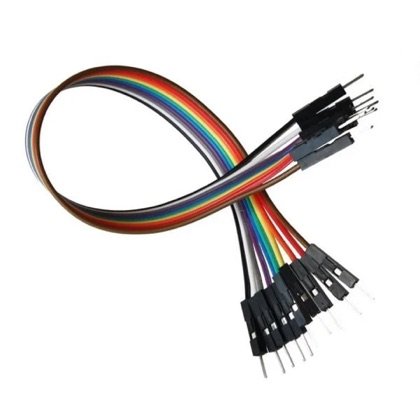 Wires💧Water
🔌 Circuit diagram
Wire it just like this on your breadboard. The coin cell pushes, the resistor protects, the LED glows.
🎮 Play with this experiment⚙️ How does it work?
Electricity needs tiny charged particles to travel. Clean water has very few, so the LED stays dim. Salt breaks into charged bits in water, so the LED glows more. That is why wet hands and electricity are a dangerous mix.
🌍 Where is this used in real life?
- Doctors and labs test water purity by checking how well it conducts electricity.
- Electricians warn us never to touch switches with wet hands.
- Batteries use salty or acidic liquids inside to let electricity flow.
💡 What could YOU invent with it?
Create a “water-quality checker” for your home: a small tester that glows brighter for dirtier or saltier water. Families in villages could use it to check if the water in a well is safe to drink.
🧪 Try this!
Compare plain water, salty water and sugar water. Which one lights the LED the most? Why do you think so? Always keep the circuit away from wall sockets.
🎯 हम क्या बना रहे हैं?
हम सर्किट में एक खाली जगह छोड़ते हैं और दो तारों के सिरे पानी के कप में डालकर देखते हैं कि एलईडी जलती है या नहीं। फिर सादा पानी और चुटकी भर नमक वाले पानी जैसी चीज़ें परखकर तुलना करते हैं।
ब्रेडबोर्डएलईडीरेसिस्टरकॉइन सेलतार💧पानी🔌 सर्किट डायग्राम
अपने ब्रेडबोर्ड पर बिल्कुल ऐसे जोड़ो। कॉइन सेल धकेलती है, रेसिस्टर बचाता है, एलईडी जलती है।
🎮 इस एक्सपेरिमेंट के साथ खेलो⚙️ ये कैसे काम करता है?
बिजली को चलने के लिए आवेशित नन्हे कण चाहिए। साफ़ पानी में ये बहुत कम होते हैं, इसलिए एलईडी हल्की रहती है। नमक पानी में टूटकर आवेशित कण बनाता है, इसलिए एलईडी ज़्यादा जलती है। इसीलिए गीले हाथ और बिजली का मेल ख़तरनाक होता है।
🌍 असली ज़िंदगी में ये कहाँ काम आता है?
- डॉक्टर और लैब पानी की शुद्धता इस बात से जाँचते हैं कि वह बिजली कितनी अच्छी तरह ले जाता है।
- इलेक्ट्रीशियन हमें गीले हाथों से स्विच न छूने की चेतावनी देते हैं।
- बैटरी के अंदर नमकीन या अम्लीय तरल होता है जो बिजली बहने देता है।
💡 इससे आप क्या नया बना सकते हो?
अपने घर के लिए “पानी की जाँच मशीन” बनाओ: गंदे या ज़्यादा नमकीन पानी में ज़्यादा तेज़ जलने वाला छोटा टेस्टर। गाँवों के परिवार इससे जाँच सकते हैं कि कुएँ का पानी पीने लायक है या नहीं।
🧪 खुद करके देखो!
सादा पानी, नमक वाला पानी और चीनी वाला पानी परखो। किसमें एलईडी सबसे ज़्यादा जलती है? आपको क्या लगता है क्यों? सर्किट को हमेशा दीवार के सॉकेट से दूर रखो।
इलेक्ट्रॉनिक्स और सोलर स्टार्टर किट
Get the kit / किट खरीदें →
